
July is in full swing, bringing long sunny days, backyard dinners, and a great reminder to take care of yourself—starting with your smile. This month, we’re sharing some exciting updates from our office along with helpful information to keep you feeling confident and informed about your dental health.
If you haven’t heard yet, we’re thrilled to officially welcome Dr. Kevin Ross to our team! We’re also introducing new advancements in care, including ways to strengthen and support your smile with bone grafting and PRF technology. You’ll find helpful insights on how dental health connects to your overall wellness, including an interesting look at how tooth loss can impact more than you might expect.
We’re also making it easier than ever to stay connected with us through our new patient communication and scheduling system, and we’re continuing to put your care first—always—no matter what your insurance looks like. And of course, don’t miss this month’s delicious summer recipe and a reminder about our Share the Care program so you can pass along a smile to friends and family.
Let’s make this a season of healthy smiles, good food, and great care!
In This Issue:
In Case You Missed Our News, Welcome Dr. Kevin Ross!

In case you’ve missed our news, we’re genuinely excited to have Dr. Kevin Ross on our team as an associate, and to offer even more services right here in our office!
Dr. Ross is seeing patients on Mondays and Fridays, expanding the services we can provide right here in our office. He focuses on root canals, extractions, and dental implants, making it even easier for many patients to receive advanced care from the team they already know and trust.
A graduate of the University of Maryland School of Dentistry, Dr. Ross has advanced training in microsurgical endodontics, implant dentistry, and surgical procedures. His approach emphasizes preserving natural teeth whenever possible through minimally invasive treatment, while using digitally guided techniques to make surgical procedures more precise and efficient when they’re needed.
When he’s not caring for patients, Dr. Ross enjoys golfing and spending time outdoors with his family.
If you’ve been considering a dental implant, have been told you may need a root canal or extraction, or simply want to explore your options, we’d love to help. Give us a call at 301-663-8300 to schedule a consultation with Dr. Ross.
Want to Learn More?
Curious about root canals or dental implants? We’ve covered both topics in our patient education library:
Root Canals: What You Need to Know — how modern treatment works and why saving your natural tooth matters
Are Dental Implants Right for You? — how implants work and who’s a good candidate
Protecting the Foundation of Your Smile: Dental Bone Grafts and Collagen Plugs
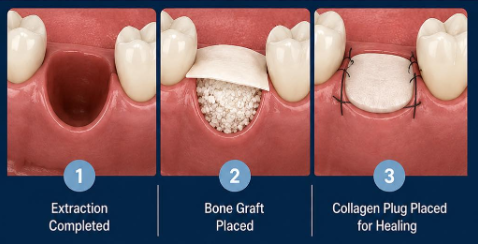
Your teeth rely on a healthy jawbone for strength and support. When the bone is lost or has deteriorated your dentist may recommend a bone graft, a collagen plug, or both to help preserve or rebuild the area. While these treatments are often mentioned together, they serve different purposes. Understanding what they are, why they’re used, and what to expect during recovery can help you feel more confident about your treatment.
What Is a Dental Bone Graft?
A dental bone graft is a common procedure used to rebuild or preserve bone in the jaw. Rather than simply filling an empty space, the graft acts as a scaffold that encourages your body to grow new, healthy bones over time. The grafting material may come from your own body, a human donor, an animal source, or a safe synthetic material. As your jaw heals, your natural bone gradually replaces or integrates with the graft, creating a strong foundation for your teeth and future restorative treatment.
Bone grafts may be recommended for a variety of reasons, including:
- Bone loss caused by advanced gum disease (periodontitis)
- Bone shrinkage after a tooth has been missing for a period of time
- Preserving the jawbone after certain tooth extractions
- Preparing the jaw for a dental implant
- Repairing bone damaged by injury or infection
What Is a Collagen Plug?
A collagen plug is a soft, sponge-like material made from purified collagen that is placed into an extraction socket immediately after a tooth is removed. Unlike a bone graft, a collagen plug is not designed to rebuild lost bone. Instead, it helps protect the extraction site, controls bleeding, supports the formation of a healthy blood clot, and provides a scaffold for the body’s natural healing process.
For many routine extractions, a collagen plug may be all that’s needed to promote healthy healing. In other cases—particularly when preserving bone for a future dental implant or maintaining the shape of the jaw is important—a bone graft may also be placed. A collagen plug or membrane may then be used to help protect the graft while the area heals.
Bone Graft vs. Collagen Plug
Although they’re sometimes used together, bone grafts and collagen plugs have different roles.
A bone graft helps preserve or regenerate the jawbone, making it an important treatment when bone has already been lost or when additional bone is needed to support future restorative treatment, such as a dental implant.
A collagen plug supports the body’s natural healing after a tooth extraction. It helps protect the socket, control bleeding, and encourage healthy soft tissue healing. While it may help preserve the extraction site, it does not replace the bone-building function of a bone graft.
Your dentist will recommend the option—or combination of treatments—that best fits your oral health needs and long-term treatment goals.
What Happens During the Procedure?
Bone grafting is typically performed using local anesthesia, although sedation may also be available depending on the procedure. After gently cleaning the area, your dentist or oral surgeon places the bone graft material where additional support is needed. If a collagen plug is being used after an extraction, it is carefully placed into the socket to protect the site and encourage healing. When both treatments are used together, the collagen material helps stabilize and protect the graft during the early stages of recovery.
Most procedures are completed in about an hour or less, depending on their complexity.
What Is Recovery Like?
Most patients experience only mild discomfort, swelling, or bruising for a few days, which can usually be managed with prescribed or over-the-counter medications. Eating soft foods and carefully following your post-operative instructions will help promote healing.
The gums generally heal within one to two weeks, but the bone itself takes longer to regenerate. Depending on the size of the graft and your body’s healing process, it can take anywhere from three to nine months before the area is fully ready for treatments such as dental implants.
Protecting Your Jawbone
The best way to prevent bone loss is to maintain excellent oral hygiene and address gum disease early. Brushing twice a day, flossing daily, and keeping up with regular dental visits can help protect both your teeth and the bone that supports them.
If bone loss has already occurred, today’s regenerative techniques provide highly predictable, effective treatment options. Whether your care involves a collagen plug, a bone graft, or both, these procedures help preserve the foundation of your smile and support long-term oral health.
Going Beyond: Enhancing Bone Grafts with Platelet-Rich Fibrin (PRF)
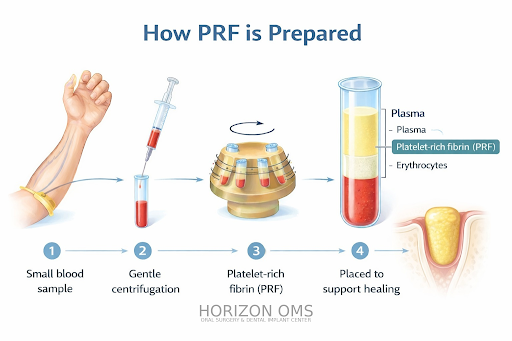
Bone grafts do an excellent job of creating the foundation for new bone to grow—but what if your body’s natural healing process could get an extra boost? That’s where Platelet-Rich Fibrin (PRF) comes in. We’re excited to now offer this advanced treatment to enhance many bone graft, dental implant, and oral surgery procedures, helping patients heal more comfortably and efficiently.
What Is PRF?
Platelet-Rich Fibrin (PRF) is made from a small sample of your own blood that is taken just before your procedure. The blood is placed in a special machine called a centrifuge, which separates it into different layers. One of those layers is rich in platelets, white blood cells, fibrin, and growth factors—the natural building blocks your body uses to heal injuries.
How Does PRF Help?
Think of a bone graft as the framework that allows new bone to grow. PRF gives your body an extra boost by delivering a concentrated dose of its own healing cells directly to the surgical site.
When PRF is placed with a bone graft, it can help:
- Encourage new bone growth
- Help gum tissue heal more quickly
- Reduce swelling and discomfort after surgery
- Support the body’s natural healing process
- Protect the surgical area as it heals
These healing factors are released gradually over time, helping your body repair the area throughout the early stages of recovery.
More Than Bone Grafts
Although PRF is an excellent addition to bone grafting procedures, it can also be used during many other types of dental treatment, including:
- Tooth extractions
- Dental implant placement
- Gum grafting
- Periodontal (gum) surgery
In each of these procedures, PRF helps create an environment that supports healthy healing.
What Are the Benefits?
Many patients who receive PRF may experience:
- Faster healing
- Less swelling
- Less discomfort after surgery
- Better healing of bone and gum tissue
- Improved support for dental implants
Since PRF comes from your own blood, it is highly compatible with your body and carries virtually no risk of allergic reaction or rejection.
Is PRF Right for You?
Not every procedure requires PRF, but it can be a valuable option for many patients. Your dentist will recommend it when they believe it can improve healing or provide additional support for your treatment.
Helping Your Body Heal Naturally
Your body already has an amazing ability to heal itself. PRF simply concentrates your own healing cells and places them exactly where they’re needed most. By enhancing your body’s natural healing process, PRF can help make recovery smoother and support the long-term success of procedures like bone grafts and dental implants.
If you’re scheduled for a bone graft, dental implant, or another oral surgery procedure, ask your dentist whether PRF may be a beneficial addition to your treatment.
Your Care Comes First. Your Insurance Comes Second.

At our practice, every treatment recommendation is based on what our doctors believe is best for your oral health—not on what an insurance company chooses to cover. Our dentists are conservative in their approach and will never recommend treatment that isn’t clinically necessary. We don’t have production quotas or incentives to sell dentistry. Simply put, you’ll only be recommended the care you truly need.
In many cases, you’ll also be given options for treatment so you can make the decision that’s right for you, based on your needs, goals, and budget.
Understanding How Dental Insurance Works
Dental insurance is designed to help pay for a portion of your dental care—it isn’t intended to cover everything. Each plan determines which procedures are covered, how much it will pay, and how much of the cost you’ll be responsible for.
Insurance Sets its Own Fees for Procedures
Many patients assume that if their insurance covers 80% of a procedure, it will pay 80% of their dentist’s fee. In reality, insurance companies calculate benefits using their own fee schedule, not your dentist’s fees.
For example, if your dentist charges $250 for a procedure but your insurance company assigns a value of $150 to that same procedure, an 80% benefit means they’ll pay 80% of $150—not 80% of $250. The remaining balance becomes your responsibility.
Insurance May Pay for a Different Procedure
Sometimes your dentist’s recommended treatment and your insurance company’s covered treatment aren’t the same.
For example, your dentist may recommend a tooth-colored filling because it’s the most appropriate treatment for your tooth. Your insurance company, however, may calculate benefits as though you received a silver filling because it’s less expensive. This is called a downgrade. It doesn’t mean the recommended treatment isn’t necessary—it simply means your insurance plan has chosen to reimburse at a lower level.
Annual Maximums Still Apply
Most dental plans also have an annual maximum—the total amount they’ll pay each year. Once that limit has been reached, additional treatment becomes the patient’s responsibility until benefits renew.
Because every insurance plan is different, coverage should be viewed as a financial benefit rather than a guide for your treatment. Your dentist’s recommendations are based on what’s best for your oral health, while your insurance company determines only how much it will contribute toward that care.
How We Work With Insurance
No matter what dental insurance you have, our commitment is the same: to provide the highest quality care while helping you make the most of your benefits.
As a courtesy, we’ll file your insurance claims, submit any supporting documentation that’s needed, and appeal claim decisions when appropriate. While we can’t guarantee how an insurance company will process or pay a claim, we’ll advocate on your behalf to help ensure you receive every benefit your plan allows.
Before treatment begins, we’ll also provide an estimate of your expected out-of-pocket costs based on the information available from your insurance company. If you ever have questions – about your benefits, about an Explanation of Benefits (EOB), or about why your insurance paid the way it did – our team is always happy to help explain it.
At the end of the day, insurance is a financial benefit—not a treatment plan. Our responsibility is to recommend the care that’s best for your oral health, and we’ll always work with you to help you understand your options and make informed decisions.
Can Losing a Tooth Lead to Weight Gain?

When most people think about missing teeth, they think about appearance. But your teeth also play an important role in maintaining a healthy diet.
A recent study followed more than 900 adults over four years and found that people with fewer teeth—especially those missing their molars—were significantly more likely to gain weight than those with a full, healthy bite. In fact, missing molars increased the likelihood of weight gain by 17%.
The reason is surprisingly simple. Your back teeth do the heavy lifting when it comes to chewing. When they’re missing, healthy foods like fresh fruits, vegetables, nuts, and lean meats become more difficult to eat. Many people naturally begin choosing softer, more processed foods that are often higher in calories and lower in nutrients. Over time, those changes can contribute to unwanted weight gain.
The CDC also notes that tooth loss can lead to poor nutrition, difficulty eating, and a lower quality of life. That’s why preserving your natural teeth is always our first choice whenever possible.
If a tooth can’t be saved, replacing it is about more than restoring your smile. Replacing missing teeth—particularly molars—can help restore normal chewing function so you can comfortably enjoy the healthy foods your body needs.
Whether that means saving a tooth with a root canal or replacing one with a dental implant, our goal is the same: helping you maintain a healthy, functional smile that supports your overall health for years to come.
Recipe of the Month: Grilled Chicken with Pepperoncini Garlic Butter

Source: https://pinchofyum.com/grilled-chicken-with-pepperoncini-garlic-butter
Grilled marinated chicken, a quick tomato cucumber salad, tangy bits of feta, and a zippy pepperoncini garlic butter sauce poured over the whole thing. What a showstopper!
Ingredients
Grilled Chicken:
- 1 teaspoon garlic powder
- 1 teaspoon onion powder
- 1 teaspoon paprika
- 1 teaspoon coarse kosher salt
- 1 lb. chicken breasts
- 1 tablespoon olive oil
Pepperoncini Butter Sauce:
- 6 tablespoons butter
- 1 clove garlic, minced
- 1/4 cup pepperoncini brine
- 1/4 to 1/2 cup pepperoncinis, chopped
Cucumber Salad:
- 1 pint cherry or grape tomatoes, halved
- half a cucumber, chopped
- quarter of a red onion, minced or thinly sliced
- salt and pepper, olive oil, vinegar
Extras:
- Chives
- Feta
- Hummus
- Pita Bread
Instructions
- Marinate the Chicken: Place the chicken, spices, and olive oil together in a large bowl or plastic bag. Mix until well-coated; set aside in the fridge while you prep the other elements (30 minutes up to several hours).
- Make the Cucumber Salad: Toss veggies with a small amount of salt, pepper, olive oil, and vinegar. (If you add too much it becomes watery, so use a light hand!)
- Make the Pepperoncini Butter Sauce: Melt the butter (you can do this in the microwave). Stir in the garlic, brine, and pepperoncini pieces. Set aside.
- Grill the Chicken: Using a grill, grill pan, or skillet, cook the chicken until cooked through and golden brown on both sides. If you have one, you can use a meat thermometer, to make sure you don’t over cook the chicken, 160 degrees is safe. Let it rest for a moment, then cut into slices.
- Assemble: If you want to serve it as a family-style meal – layer the hummus on a large platter. Add the cucumber salad in 3-4 little mounds around the outside of the plate. Add the chicken right in the middle and drizzle with the pepperoncini butter sauce. Add feta, chives, and s&p to finish. Scoop onto plates or dip into the whole thing with pita bread.
Notes
- The garlic butter will start to congeal as it rests, so you may need to warm it again right before serving