
As we welcome Fall, this month’s newsletter is all about the little things that can make a big difference in your health — and your smile.
We’re covering some timely topics, from how nursing and GLP-1 medications can affect your dental health, to recognizing and preventing early gum disease. We’re also talking about implants, making the most of your dental benefits before the end of the year, and why staying ahead of small problems now can save you a lot of trouble later.
And because no newsletter is complete without something delicious, we’re wrapping things up with a cozy White Chicken Chili Tortellini Soup recipe that feels just right for September.
We hope you find something helpful, interesting, or maybe even dinner-worthy.
In This Issue:
What Makes Us Best of the Best?
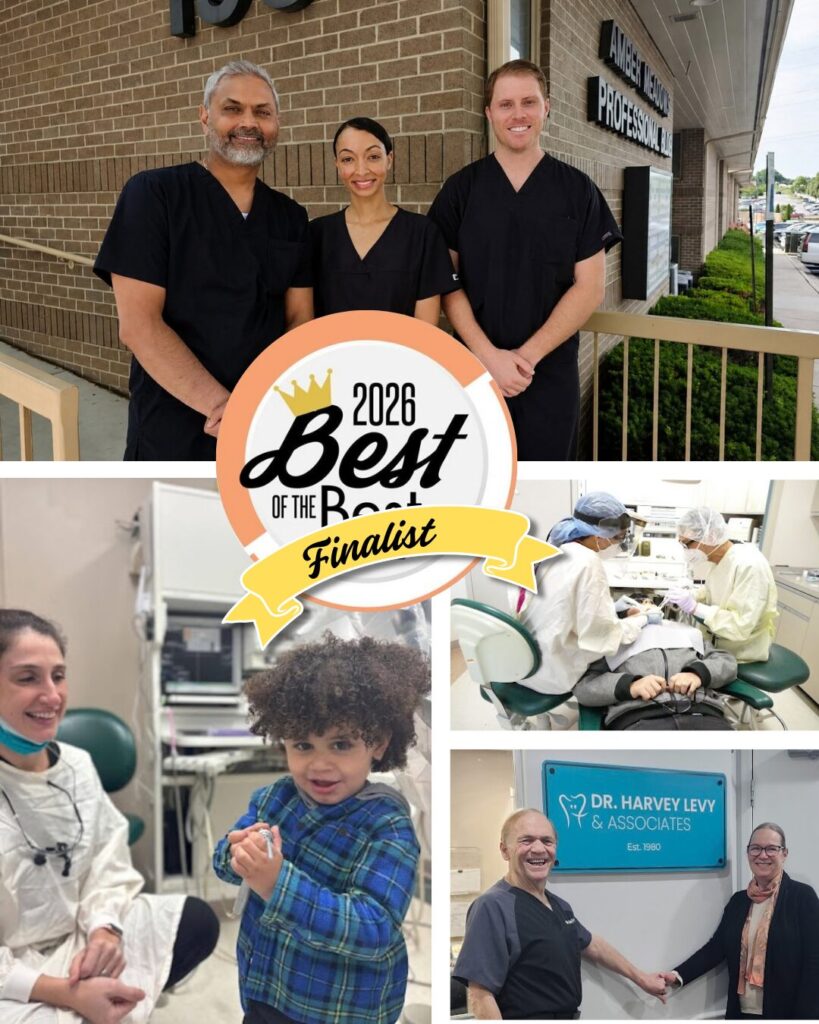
Being named a Best of the Best finalist gave us a good excuse to spend the past week bragging a little about our practice on social media. And we have a lot to be proud of!
In the past year we’ve continued to expand the ways we care for our patients. Dr. Hailemelecot is now in the operating room, providing another option for patients with severe dental anxiety, special needs, or extensive treatment needs. We also welcomed Dr. Kevin Ross as our new associate, allowing us to offer more services in-house, including implants, root canals using a specialized microscope, and extractions with bone grafting or collagen plugs.
Education continues to be a big part of who we are, too. Between our monthly newsletter, website articles, YouTube videos, and student externships, we’re always looking for ways to share what we know. Sometimes that means explaining a dental procedure, sometimes it means giving a future dentist their first look at the profession—and sometimes it just means sharing a really good recipe!
Most importantly, thank you to our patients and community for voting us into the finals. We don’t know whether we’ll officially be named Best of the Best, but the past week has been a nice reminder that an award isn’t what makes us proud of this practice.
We love what we do, we’re proud of the team we’ve built, and we’re always looking for ways to do it even better. Win or lose, we already know we’re Best of the Best!
Nursing & Dental Health: What Moms Should Know

Source: https://www.mouthhealthy.org/all-topics-a-z/breastfeeding
Breastfeeding is one of the first (and most personal) decisions a mother makes for her baby. It can help the baby’s body fight infections and reduce health risks like asthma, ear infections, SIDS and obesity in children. Nursing moms may lower their chances of developing breast and ovarian cancer. But did you know breastfeeding can impact the dental health of both baby and mom? Here’s how:
Breastfeeding May Help Build a Better Bite
Several recent studies, one in Pediatrics in 2015 and one in the August 2017 issue of the Journal of the American Dental Association, produced interesting results. Babies who were exclusively breastfed for the first 6 months were less likely to have teeth alignment issues – such as open bites, crossbites, and overbites – than those breastfed for shorter lengths of time or not at all.
Still, this doesn’t mean that your exclusively breastfed baby won’t need braces someday. Other factors, including genetics, pacifier use, and thumbsucking affect alignment. “Every baby, every child is different,” says Dr. Ruchi Sahota, mother and American Dental Association spokesperson. “The best thing for mom to do is to take the child to the dentist and make sure the dentist is able to monitor eruption – that their baby teeth are coming out at the right time and permanent teeth are coming in at the right time.”
You Don’t Have to Wean When Your Baby Gets Teeth
It’s a question that often pops up in parenting message boards and conversations with new moms: Should I stop breastfeeding when my baby starts teething? The answer is, not if you don’t want to.
The American Academy of Pediatrics recommends breastfeeding for the first year of a baby’s life; the World Health Organization encourages moms to go for two. “As it goes with breastfeeding, every child is different, every mother is different,” Dr. Sahota says. “You should stop breastfeeding when you think it’s the best for you and the baby but not just because the teeth come in.”
Breastfeeding Reduces the Risk for Baby Bottle Tooth Decay
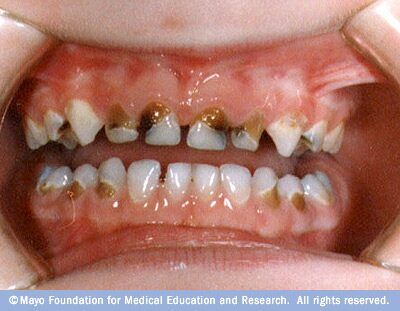
Another benefit of exclusive breastfeeding, Dr. Sahota says, is a reduced risk of baby bottle tooth decay, the frequent, prolonged exposure of the baby’s teeth to drinks that contain sugar. This type of tooth decay often occurs when a baby is put to bed with a bottle containing formula, milk or fruit juice. (Water is fine because the teeth won’t be bathed in sugary liquids for a prolonged time.) It most often occurs in the upper front teeth, but other teeth may also be affected.
Breastfed Babies Can Still Get Cavities
It’s one of the most common questions nursing mothers ask: Can breastfeeding cause cavities? Yes, it can. Breast milk, just like formula, contains sugar. That is why, breastfed or bottlefed, it’s important to care for your baby’s teeth from the start.
How to Care for Your Baby’s Gums
A few days after birth, begin wiping your baby’s gums with a clean, moist gauze pad or washcloth every day. Then, brush their teeth twice a day as soon as that first tooth emerges. Use fluoride toothpaste in an amount no more than a smear the size of a grain of rice.
Need Dental Work Done? Double Check Your Medications
If while nursing you need to have a dental procedure that requires medication, check with your dentist, personal physician and pediatrician to make sure it is safe for your baby. “It’s important to know there are antibiotics we can give you that won’t hurt the baby,” Dr. Sahota says. “It’s safe to go to the dentist while you’re pregnant and while you’re nursing, it’s very important to do so for the best health of your child.”
Another helpful resource for nursing moms is the U.S National Library of Medicine’s Drugs and Lactation Database (LactMed). Simply search for any medication and get information about how it affects your milk supply and your baby, and if there’s an alternative available. Talk to your doctor about what you find.
Mom, Take Care of Yourself
Dr. Sahota says there’s one thing she sees in new moms, breastfeeding or not. “I definitely see moms who are not able to take care of themselves as well as they did before the baby. Moms who are just not brushing as much as they used to, whether they’re brushing once a day or not brushing at all.”
A dip in dental care could lead to more gum disease and cavities. Cavity prevention is especially crucial for moms: even the simple act of sharing a spoon could transfer bacteria into your baby’s mouth. “It’s really important to do the basics: Brush twice a day, floss once a day. See your ADA dentist regularly,” she says.
Dr. Sahota says she also sees more teeth grinding (bruxism) in moms. “I see a lot more head and neck muscle tension, which causes our jaws to be a little bit more tense and then that causes us to grind our teeth,” she says. “Trouble sleeping when we’re pregnant can cause us to grind our teeth a little bit. Postnatally, stress can increase and it can also be an issue.”
All moms need to stay hydrated, especially if breastfeeding. “Not drinking enough water, is in itself a very dangerous thing for your mouth,” she says. “If we have a dry mouth, we put ourselves at risk for gum disease, for cavities, so many things.”
And there’s one last piece of advice Dr. Sahota gives all moms. “Just like if you’re on an airplane, you have to put your oxygen mask on first before you put it on your child,” she says. “If you’re not healthy, you will not have the time and the energy to make sure your children are healthy.”
Taking a GLP-1? Think Dental Health, Too
Source: https://pmc.ncbi.nlm.nih.gov/articles/PMC12643841/
You’ve probably heard a lot about GLP-1 medications lately. Originally developed to help manage type 2 diabetes, medications in this family are now widely used for weight management. With names like Ozempic, Wegovy, Mounjaro and Zepbound becoming part of everyday conversation, more people are considering whether these medications may be right for them.
But what do GLP-1s have to do with your dental health?
What Is a GLP-1?
GLP-1 stands for glucagon-like peptide-1, a hormone naturally produced by the body that helps regulate blood sugar, appetite and digestion. GLP-1 medications work with these same pathways to improve blood sugar control, reduce appetite and help people feel full longer.
Interestingly, researchers are now studying how these same pathways may be connected to the health of your gums and the bone supporting your teeth.
What Does the Initial Research Say?
Periodontal (gum) disease is an inflammatory condition, and we have long known that oral health and metabolic conditions such as diabetes and obesity are closely connected.
Emerging research suggests that GLP-1 medications may actually have some positive effects on periodontal health. Laboratory and animal studies have found anti-inflammatory effects, reduced periodontal bone loss and signs of improved bone formation and tissue regeneration.
While these findings are promising, research in humans is still limited. We don’t yet know whether GLP-1 medications will ultimately have a meaningful protective effect against gum disease, but it’s an exciting area of research that further demonstrates how closely oral health and overall health are connected.
A Few Things to Keep in Mind
The GLP-1 medications themselves aren’t necessarily a concern for your teeth, but some of their common side effects can affect the environment in your mouth.
- Dry mouth or dehydration can mean less saliva to naturally rinse the teeth and neutralize acids. Saliva is one of your mouth’s best defenses against tooth decay, so staying hydrated is important.
- Nausea, vomiting and acid reflux can expose the teeth to stomach acid. Frequent exposure can gradually weaken enamel and increase sensitivity or the risk of erosion.
- Changes in eating habits matter, too. Because GLP-1s can significantly reduce appetite, some patients may eat and drink much less than they did previously. Good nutrition—including adequate protein, vitamins and minerals—remains important for healthy gums, bone and healing.
If you’re taking a GLP-1, continue brushing twice daily with fluoride toothpaste, clean between your teeth every day, stay well hydrated and keep up with your regular dental visits. Let your dentist know if you’re experiencing persistent dry mouth, reflux, vomiting, increased sensitivity or changes in your gums.
And remember to include your GLP-1 on the medication list you provide to us—even if you’re taking it for weight management rather than diabetes.
Your oral health is part of your overall health. As GLP-1 medications become more widely used, we’re continuing to learn more about the connections between these treatments, metabolic health, and the health of your smile.
Can You Reverse and Prevent Early Gum Disease?
Sources: https://www.nidcr.nih.gov/health-info/oral-hygiene
September is Gum Health Awareness Month, making it a great time to pay a little extra attention to an important part of your smile: your gums.
One of the most important things to know about gum health is that problems caught early don’t necessarily have to progress. In fact, the earliest stage of gum disease can often be reversed.
It Starts With Gingivitis
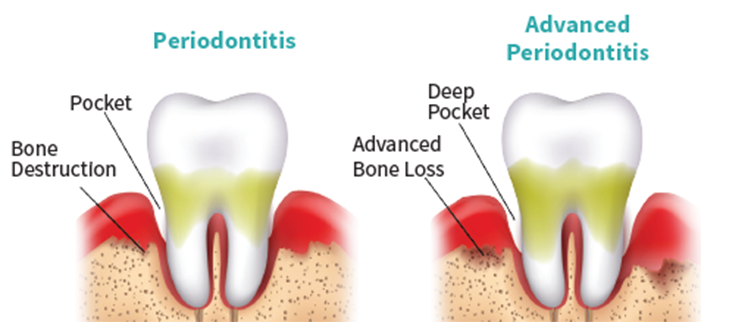
The earliest stage of gum disease is called gingivitis. It develops when plaque, a sticky film of bacteria that constantly forms on your teeth, builds up around the gumline and causes inflammation.
You may notice gums that are red, swollen or tender, or that bleed when you brush or floss. Gingivitis can also cause very little discomfort, which makes it easy to overlook.
At this stage, the bone and tissues supporting your teeth have not suffered the permanent damage associated with more advanced gum disease. Remove the source of the inflammation, and your gums have an opportunity to heal.
How Do You Reverse It?
The key is effective plaque removal.
Brush twice a day with fluoride toothpaste, paying attention to where your teeth meet your gums. Just as importantly, clean between your teeth every day with floss, interdental brushes, a water flosser, or another method recommended by your dental team.
If plaque isn’t removed, it can harden into tartar (calculus). Unlike plaque, tartar can’t be brushed or flossed away at home and needs to be removed during a professional dental cleaning.
Can You Keep It From Coming Back?
Yes! The same habits that help reverse gingivitis are also your best defense against its return.
Consistent brushing and cleaning between your teeth, along with regular dental exams and professional cleanings, help prevent plaque and tartar from accumulating around your gums.
Most importantly, pay attention to what your gums are telling you. If they regularly bleed when you brush or floss, appear swollen or remain tender, don’t simply assume that’s normal.
This Gum Health Month, give your gums a little extra attention. Healthy gums are an important foundation for a healthy smile, and recognizing the early signs of gingivitis gives you the opportunity to address inflammation before it progresses.
Check out our Stages of Gum Disease youtube series for more information: https://youtube.com/playlist?list=PLOgWwlSySIuJ-fS9TZZtqGGfPnjAP7GEJ&si=U8sRmtAjgmzGqWJG
Use It Before You Lose It
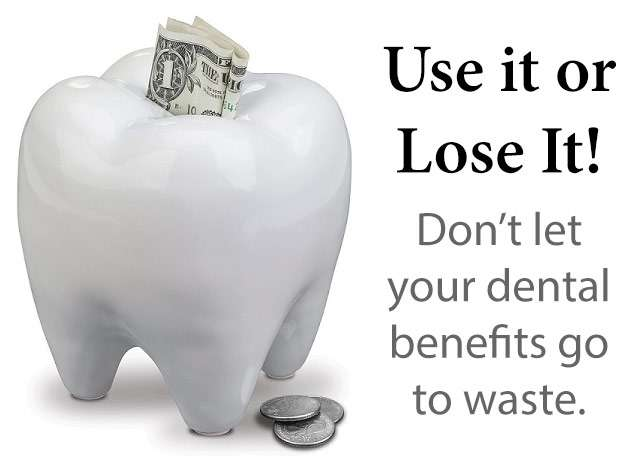
It seems too soon to be thinking about 2027, but now is a good time to take another look at your dental benefits. Not every dental plan follows the calendar year, but if yours resets on January 1, any unused benefits may not carry over.
If you’re due for your second cleaning of the year, have a filling that still needs to be completed, or have been putting off a crown or other recommended treatment, now is a good time to check your remaining benefits and get yourself on our schedule. You’ve been paying for your dental coverage all year—make sure you’re getting the most from it!
Open Enrollment Is Coming, Too
Open enrollment season is also approaching, which means you may soon be choosing your dental coverage for the coming year. Before automatically renewing your current plan, take a few minutes to look at what you’re actually getting for your money. Consider your premiums, deductible, annual maximum, waiting periods and out-of-pocket costs—not just whether you have “dental insurance.”
If you don’t have employer-sponsored dental coverage or are considering purchasing an individual dental plan, our Dental Health Club may be worth comparing. We’ll be happy to help you do so.
Membership starts on the day you join and lasts for 12 months, so there’s no need to wait until January. The plan includes the preventive care you need and members receive a 15% courtesy discount on ALL additional dental treatment. There are no annual maximums, no deductibles, and no waiting periods on your discount.
Have questions about your remaining insurance benefits or our Dental Health Club? Give us a call at 301-663-8300. We’re happy to help you make the most of your dental care—this year and next.
How Long Will a Dental Implant Last?
In our Bone Loss After Extraction article, we talked about what happens to your jawbone after a tooth is extracted. Without a tooth root to stimulate the area, the bone begins to shrink over time. That’s one reason we encourage patients to keep their natural teeth as long as possible rather than having them extracted—and why replacing a missing tooth is about more than filling an empty space.
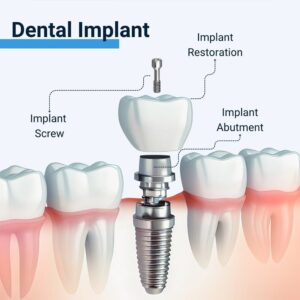
One option for replacing a missing tooth – others are a bridge or partial denture – is a dental implant. An implant is placed into the jawbone and acts as an artificial tooth root, providing support for replacement teeth.
But once you have an implant, how long can you expect it to last?
There Isn’t an Expiration Date
Dental implants are designed to be a long-term solution. Research following implants for 10 years or longer has shown very high retention rates, and with healthy bone and gums and proper care, an implant may remain functional for decades.
However, an implant isn’t a “set it and forget it” tooth.
There are actually different parts to an implant restoration. The implant itself is the portion placed in the bone. An abutment connects the implant to the visible restoration, such as a crown. While the implant may remain healthy and stable for many years, the crown or other restoration above it can experience normal wear, chipping, loosening or other problems, and may eventually need to be repaired or replaced.
What Happens to the Bone?
Remember the bone loss we discussed after an extraction? Bone continues to matter after an implant is placed.
An implant needs healthy bone for support. Just as bacteria and inflammation can damage the tissues supporting natural teeth, inflammation can develop around an implant. Early inflammation limited to the gums around an implant is called peri-implant mucositis and can often be reversed when caught and treated early.
If inflammation progresses and begins destroying the supporting bone, it is called peri-implantitis. As more bone is lost, the implant can eventually lose the support it needs to remain stable.
That’s why replacing a tooth with an implant doesn’t mean we’re finished caring for that area.
Help Your Implant Go the Distance
Your implant can’t get a cavity—but the gums and bone surrounding it still need your attention.
Brush thoroughly every day, clean around and between your implant and neighboring teeth, and keep your regular dental visits. During your exams, we can monitor the implant, surrounding gums and supporting bone and look for changes before they become bigger problems.
Smoking, poor plaque control, uncontrolled diabetes and a history of periodontal disease can also increase the risk of problems around implants. If you’ve previously had gum disease, ongoing periodontal maintenance becomes especially important.
Dental implants can be an excellent way to replace missing teeth, restore function and help maintain your smile—but they aren’t maintenance-free.
The goal isn’t simply to place an implant. It’s to keep the bone and gums supporting it healthy enough to help that implant serve you for as long as possible.
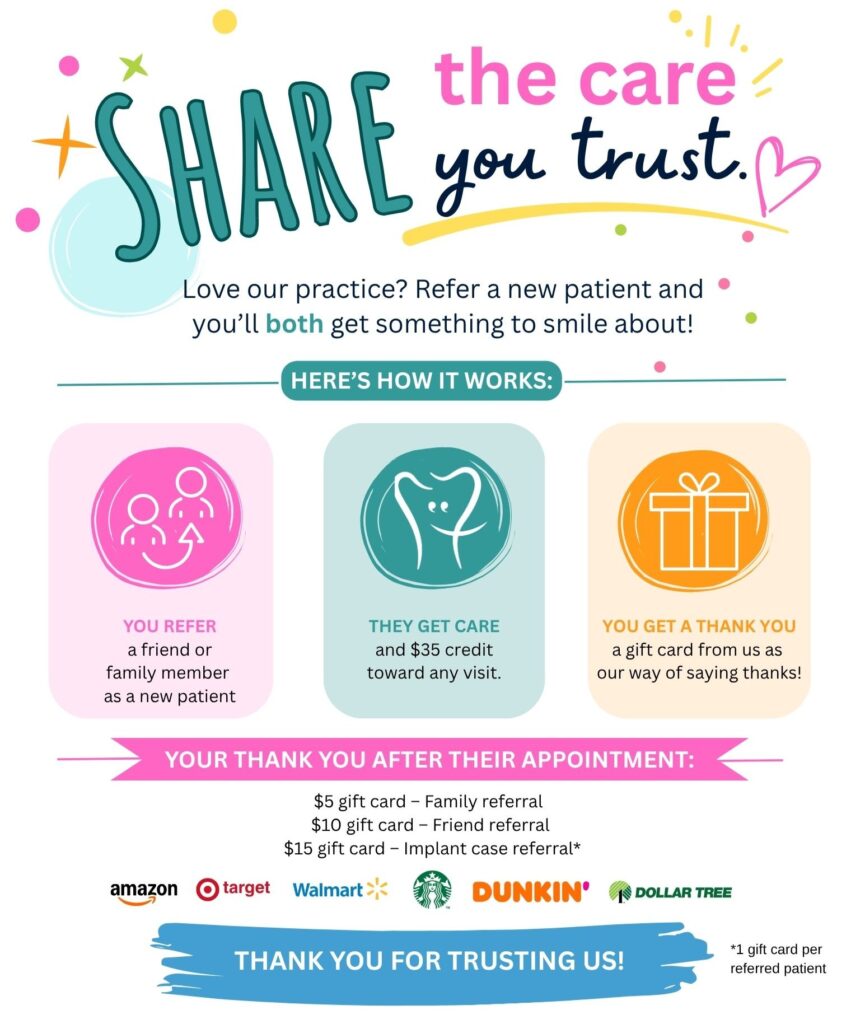
Share the Care You Trust
Recipe of the Month: White Chicken Chili Tortellini Soup

Creamy, cozy, a little cheesy, and just spicy enough to keep things interesting — basically chicken enchiladas and tortellini decided to become best friends in a soup pot.
Ingredients
- 3 cups of shredded chicken (2 large chicken breasts, shredded rotisserie chicken, or canned chicken all work!)
- 1/2 onion, diced
- 1 packet of any Fajita seasoning
- 1 can green enchilada sauce
- 1 can white beans, drained and rinsed
- 1 can diced green chiles
- 3 cups chicken broth
- 1 cup half-and-half (or ultra-filtered milk for added protein)
- 1 cup plain Greek yogurt
- 1 cup shredded cheese
- 1 cup tortellini
Instructions
- If you’re not using pre-shredded chicken, add your chicken breasts to a crock pot with 3 cups of chicken broth and the diced onion. Simmer until the chicken is completely cooked and tender and then shred in the pot.
- Add the fajita seasoning, green enchilada sauce, white beans, and green chiles to the crock pot.
- Stir in the half-and-half (or milk), Greek yogurt, and shredded cheese. Mix until creamy and the cheese has melted.
- Add the tortellini and continue cooking gently until the pasta is tender.
- Give everything a good stir and serve warm. Top with a little extra cheese, tortilla strips, or a squeeze of lime.